Mycorrhizal Fungi in the Arctic Circle
Client:

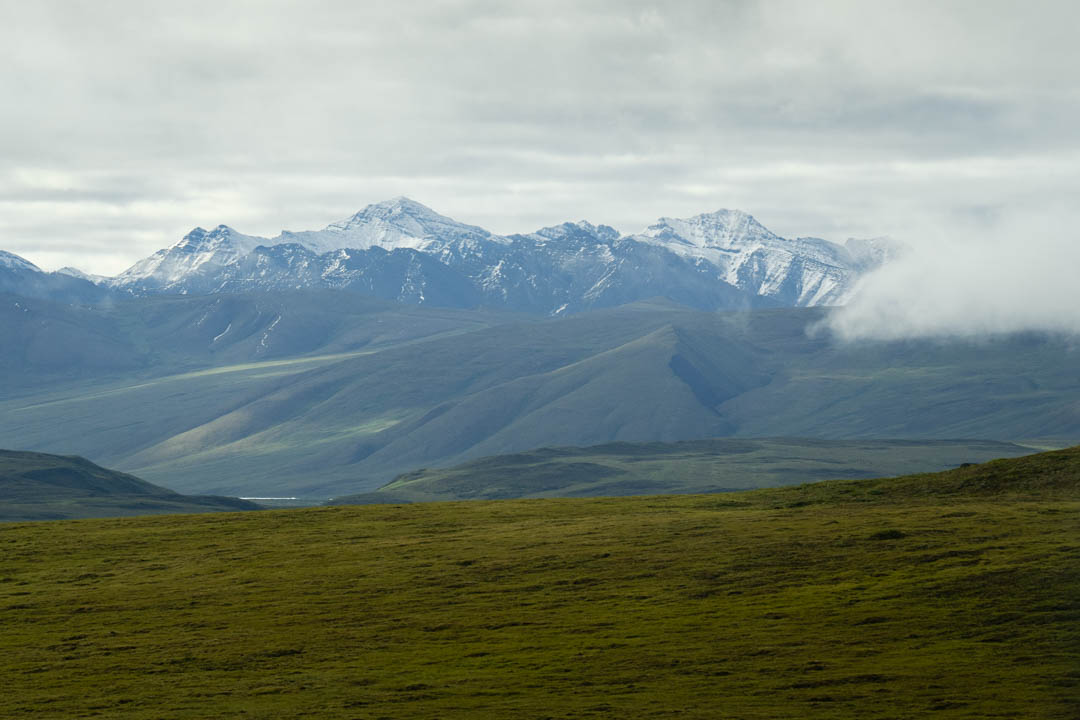
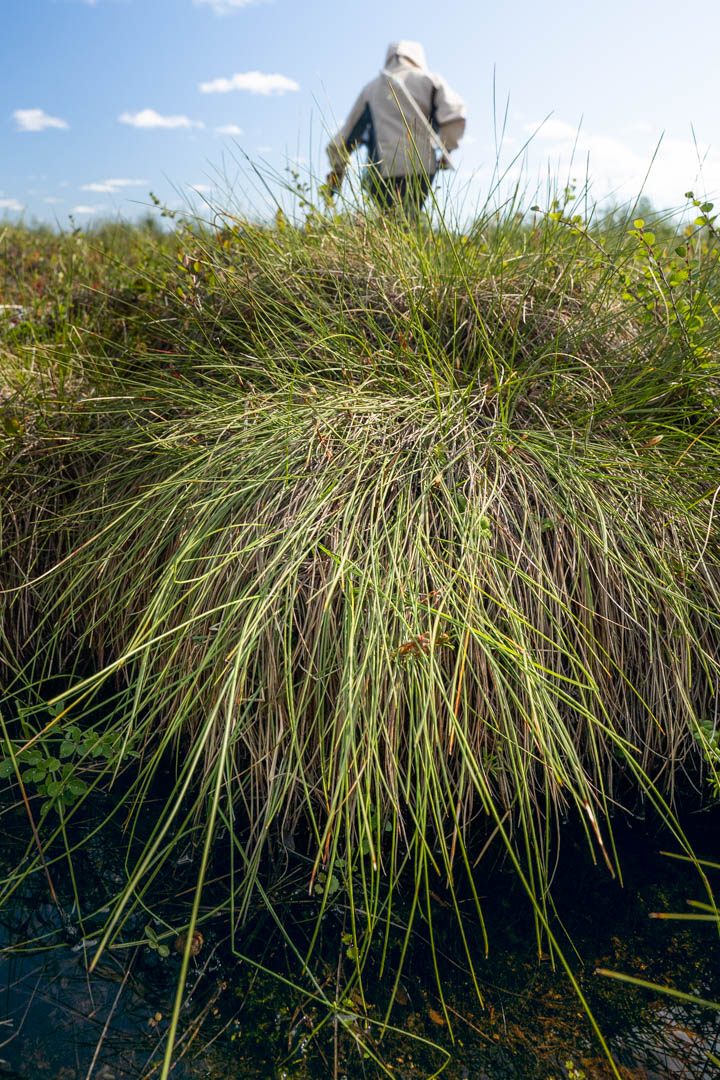
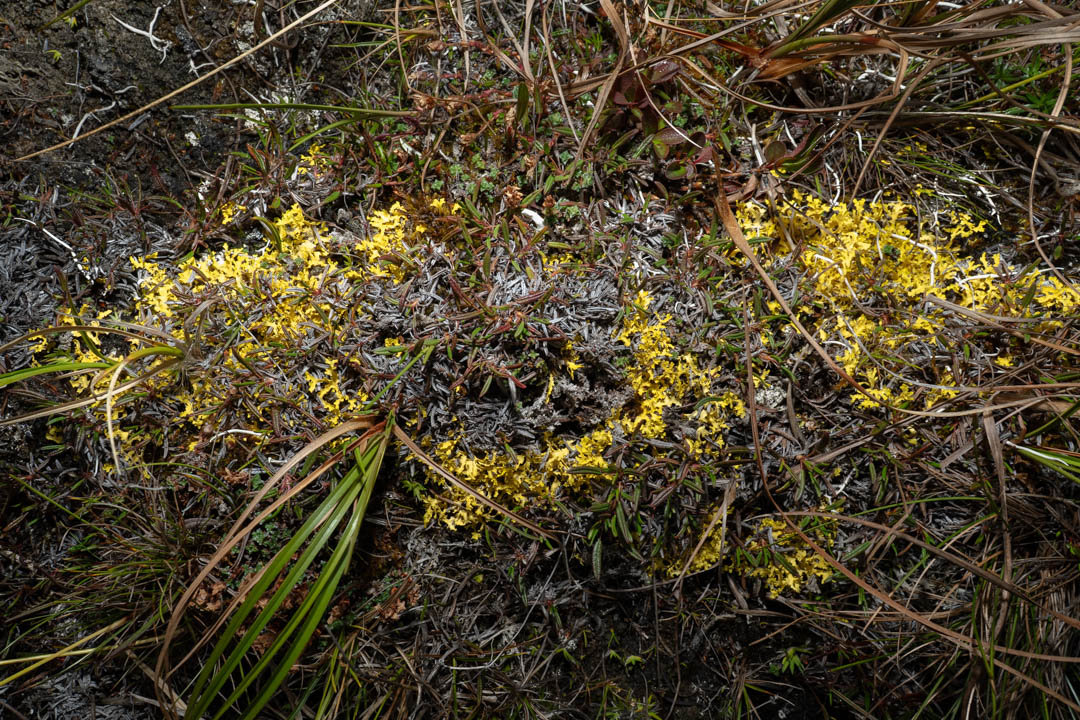
Arctic permafrost is melting. Trees are showing up far north of where they used to. The arctic is warming four times faster than anywhere else on the planet. Underground fungal communities must be responding to these changes—but how?
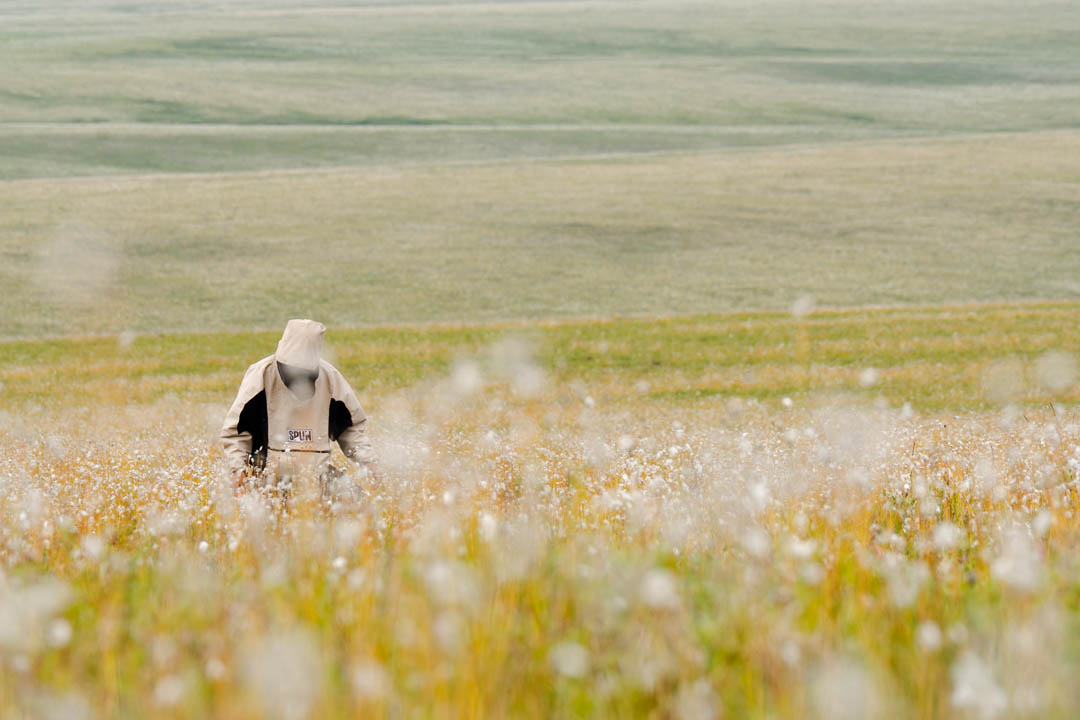
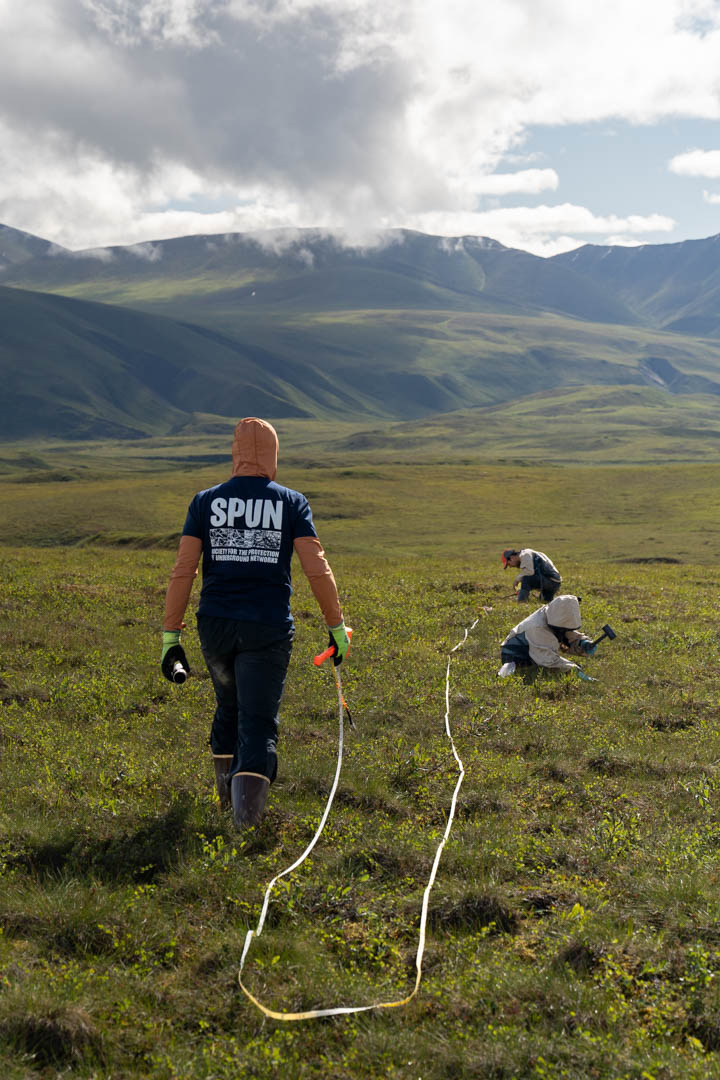
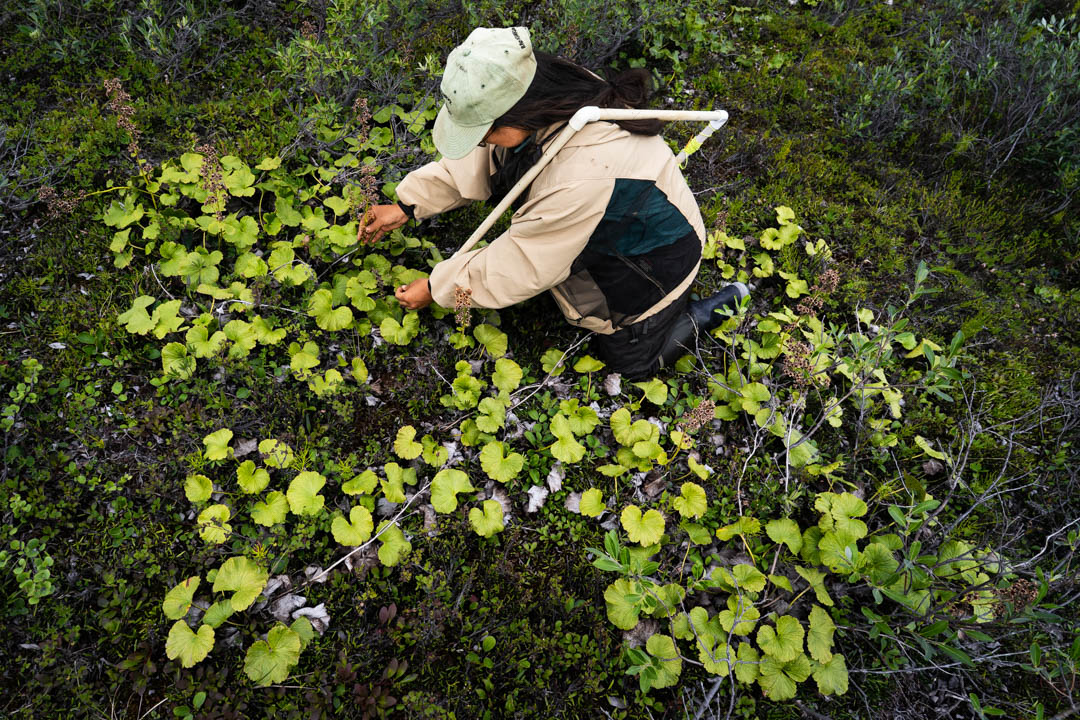
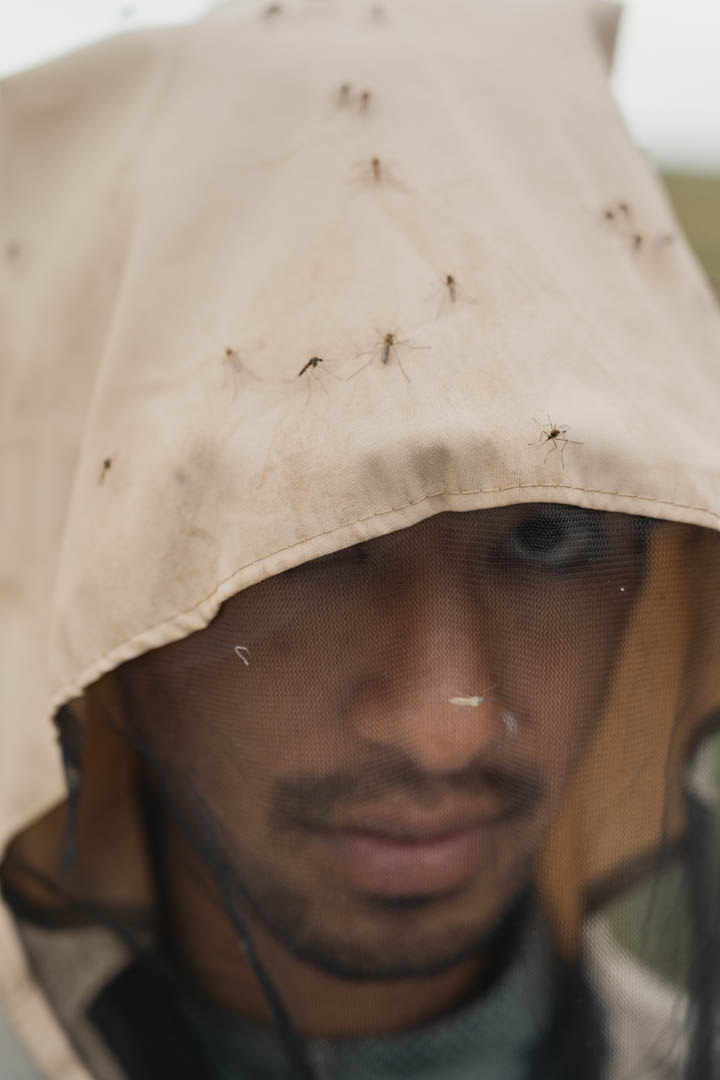
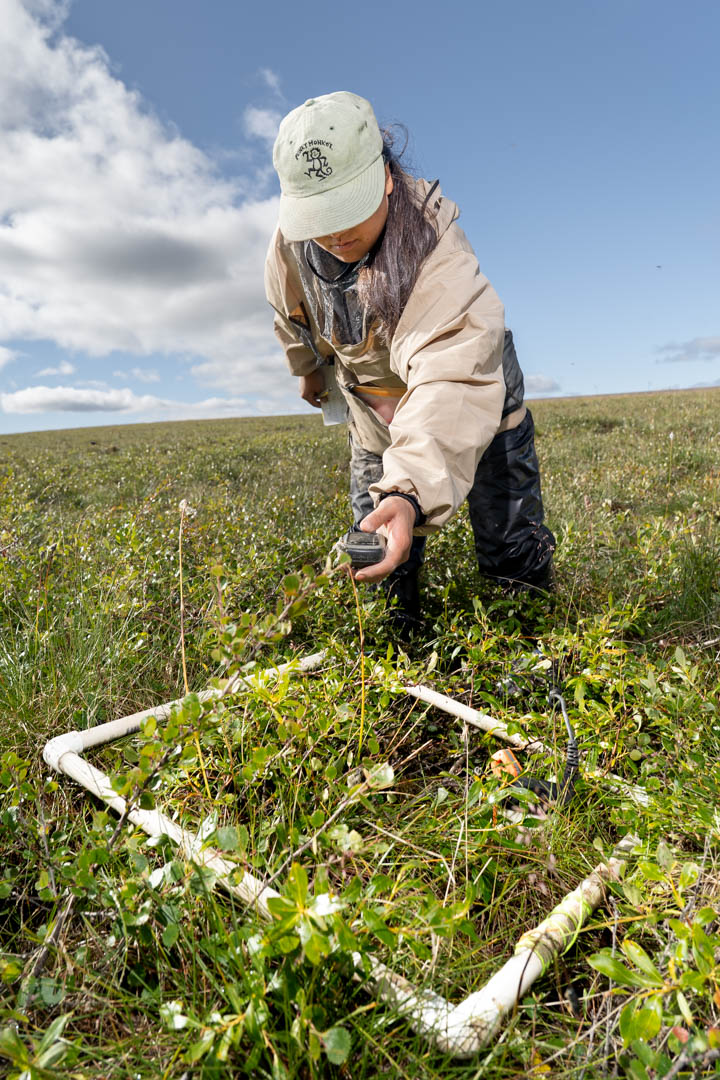
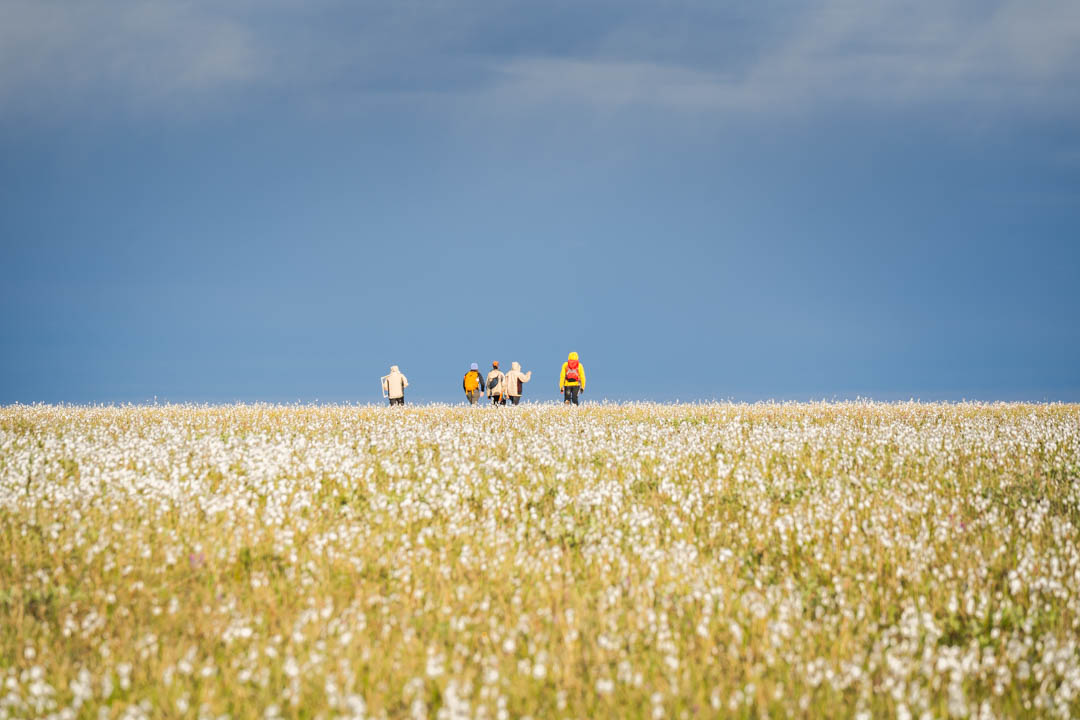
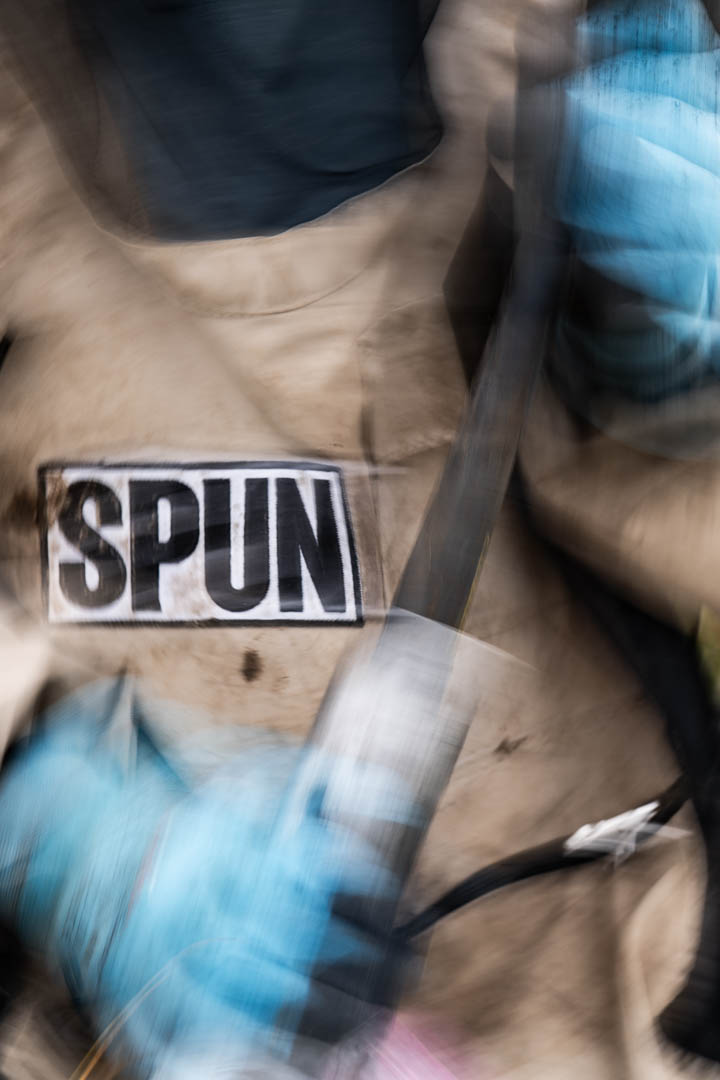
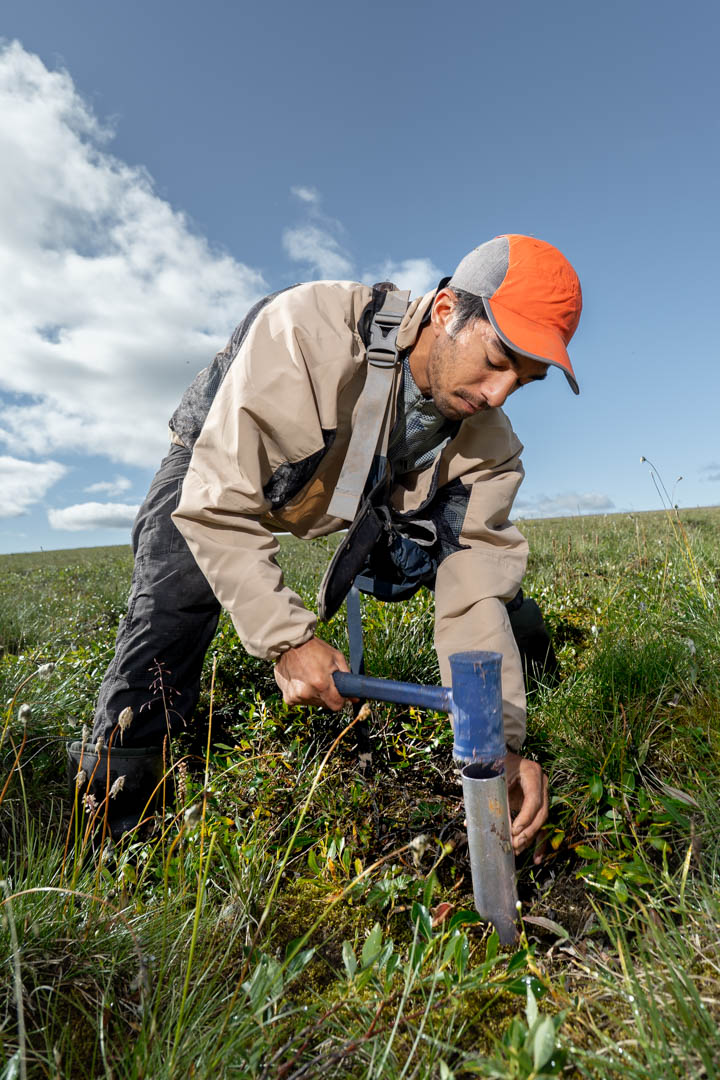
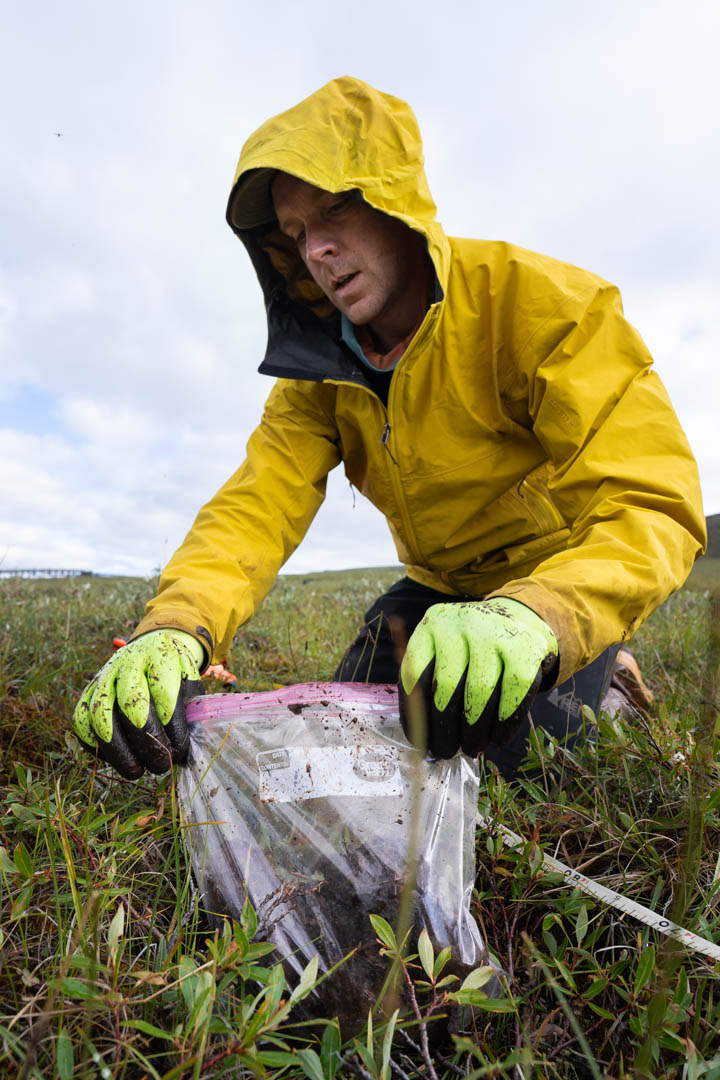
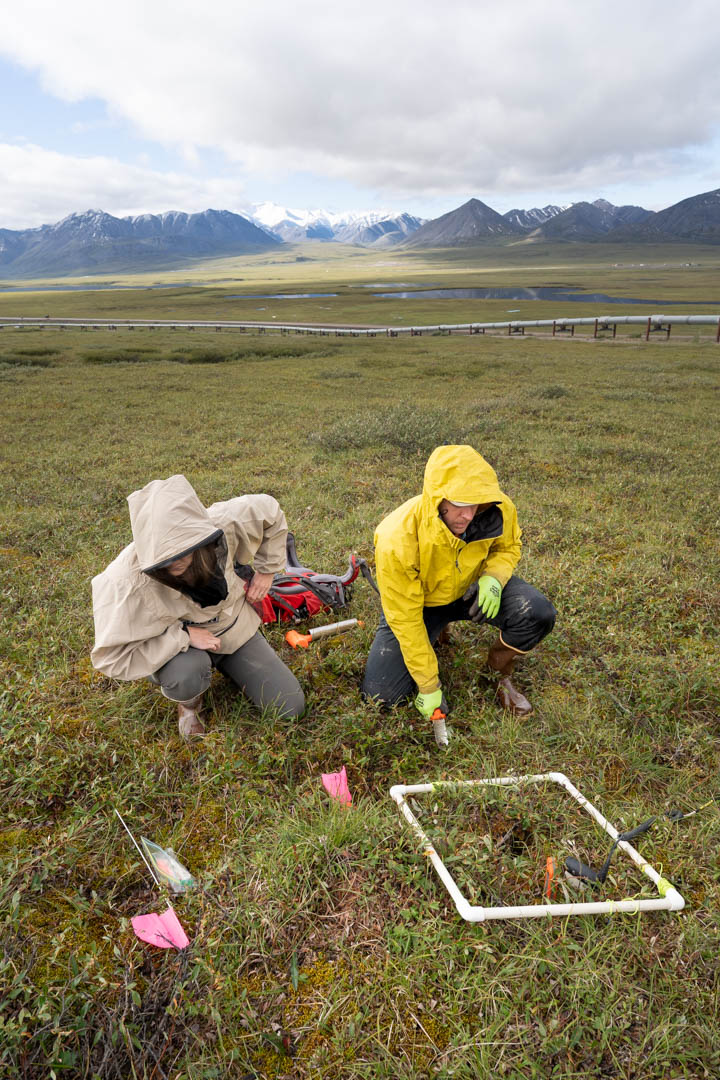
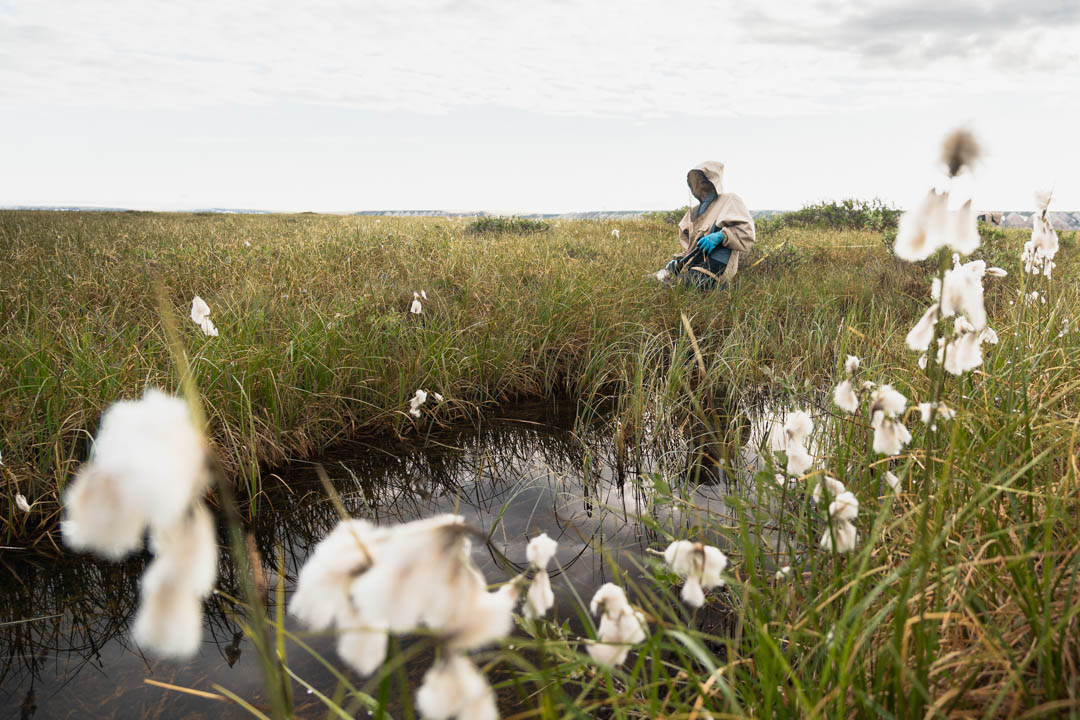
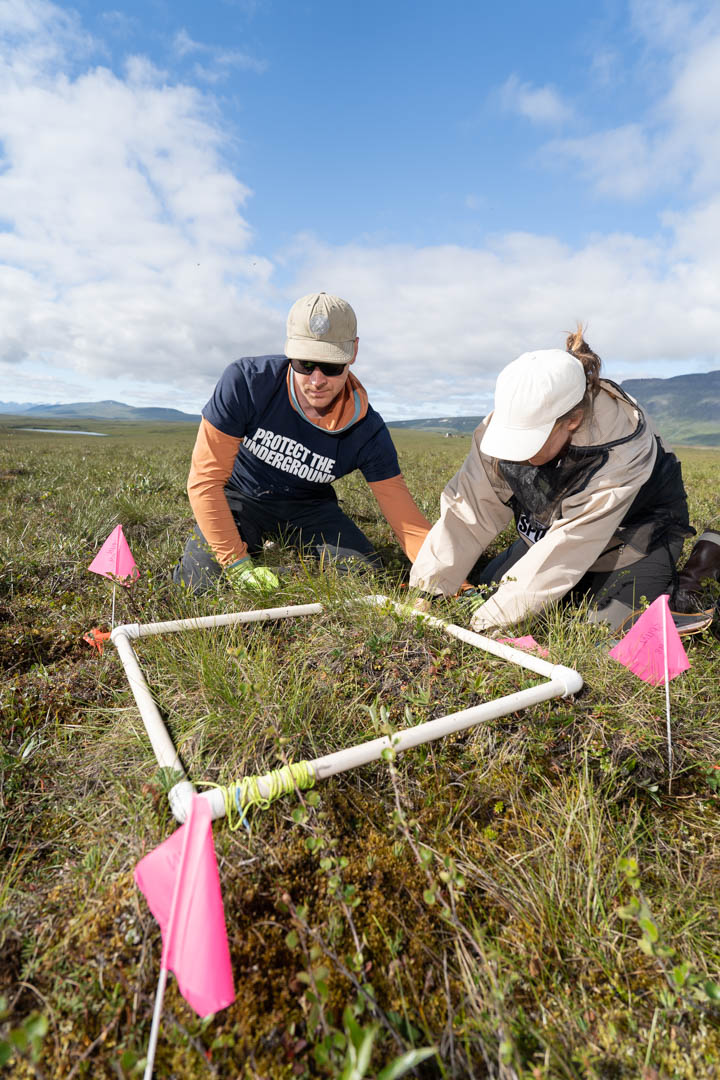
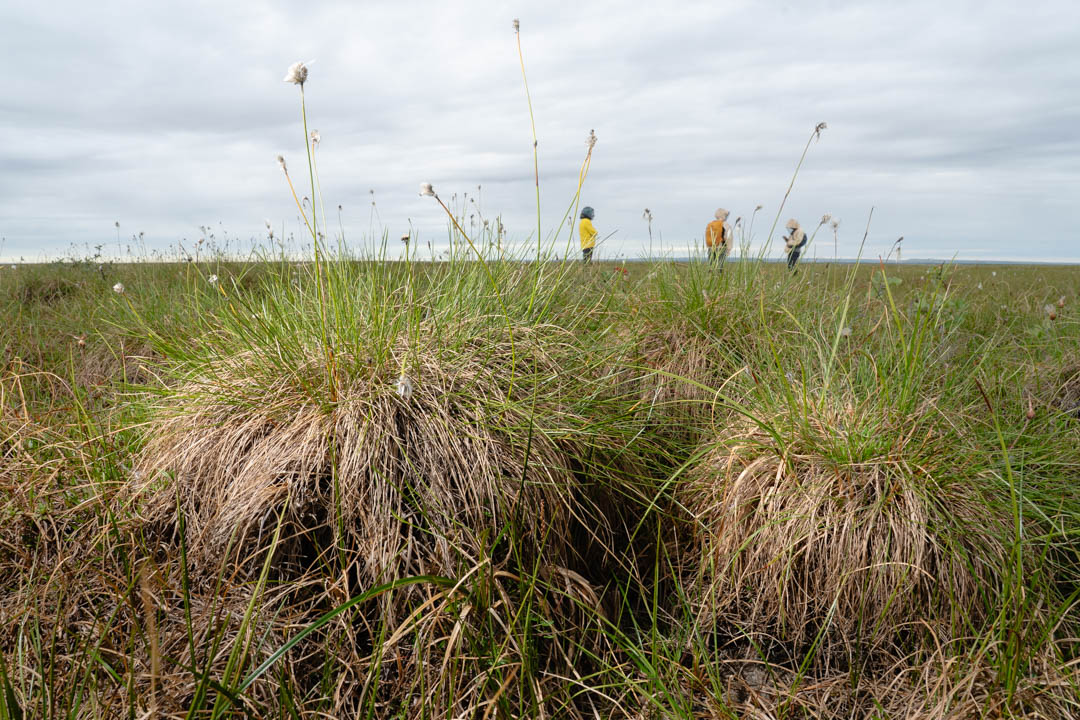
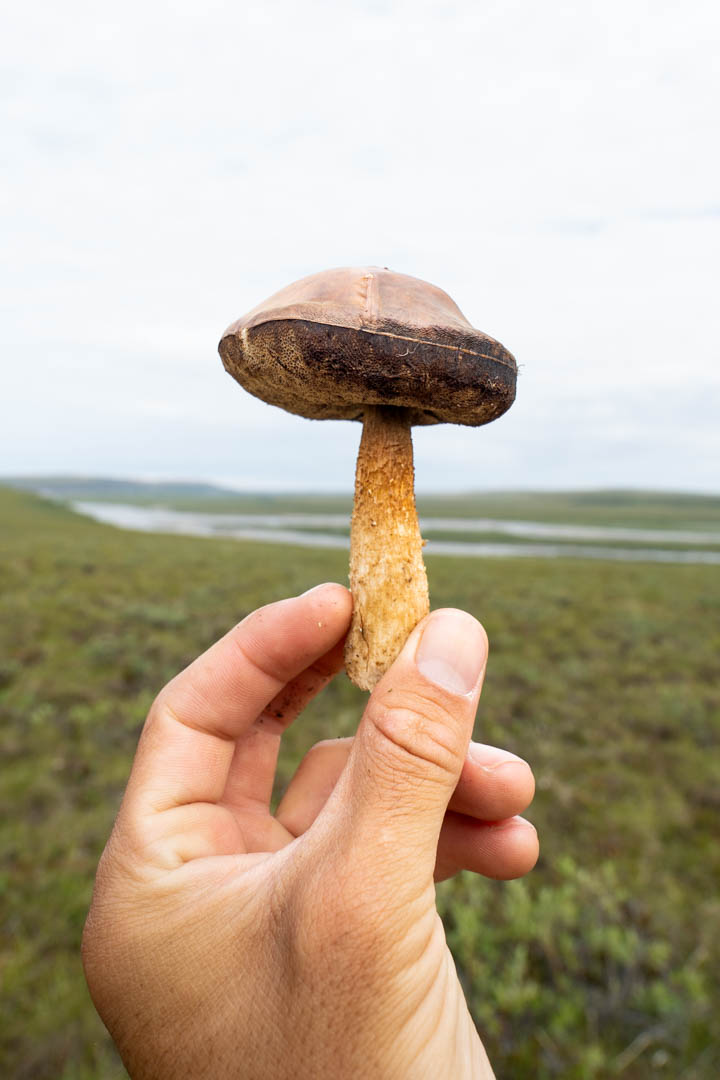
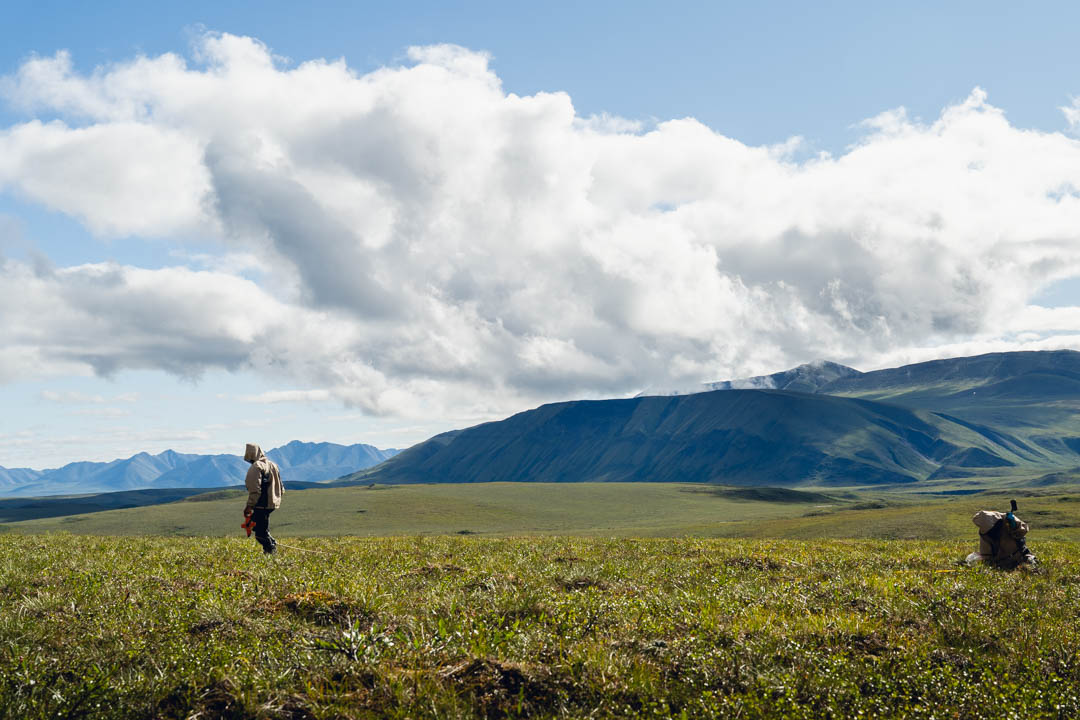
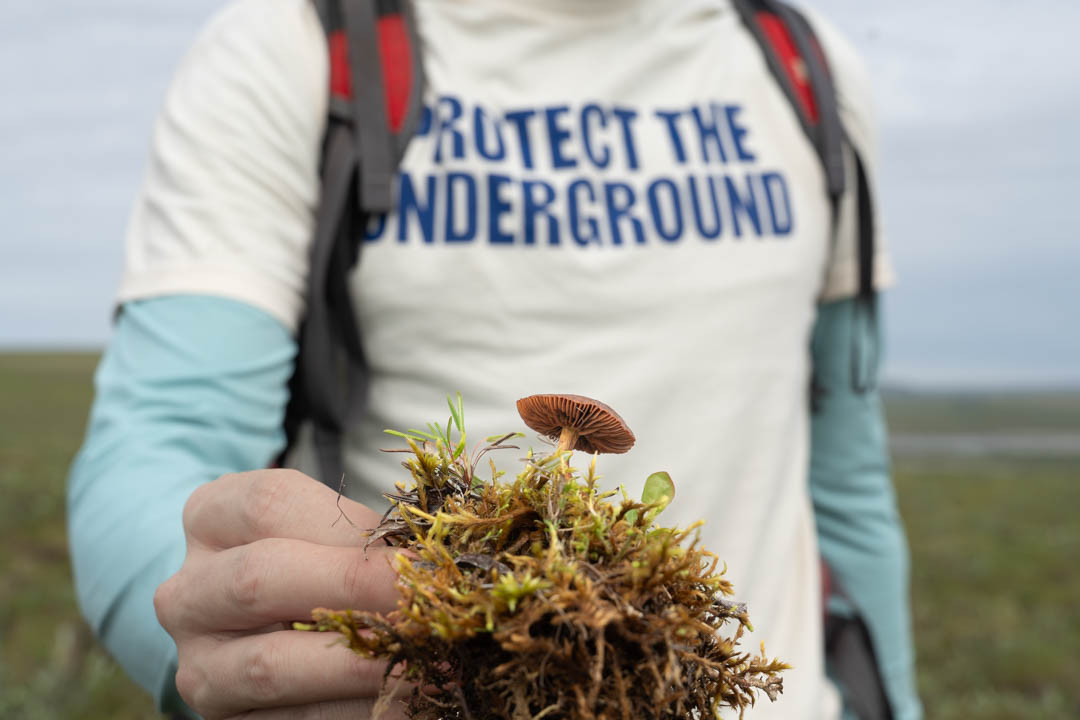
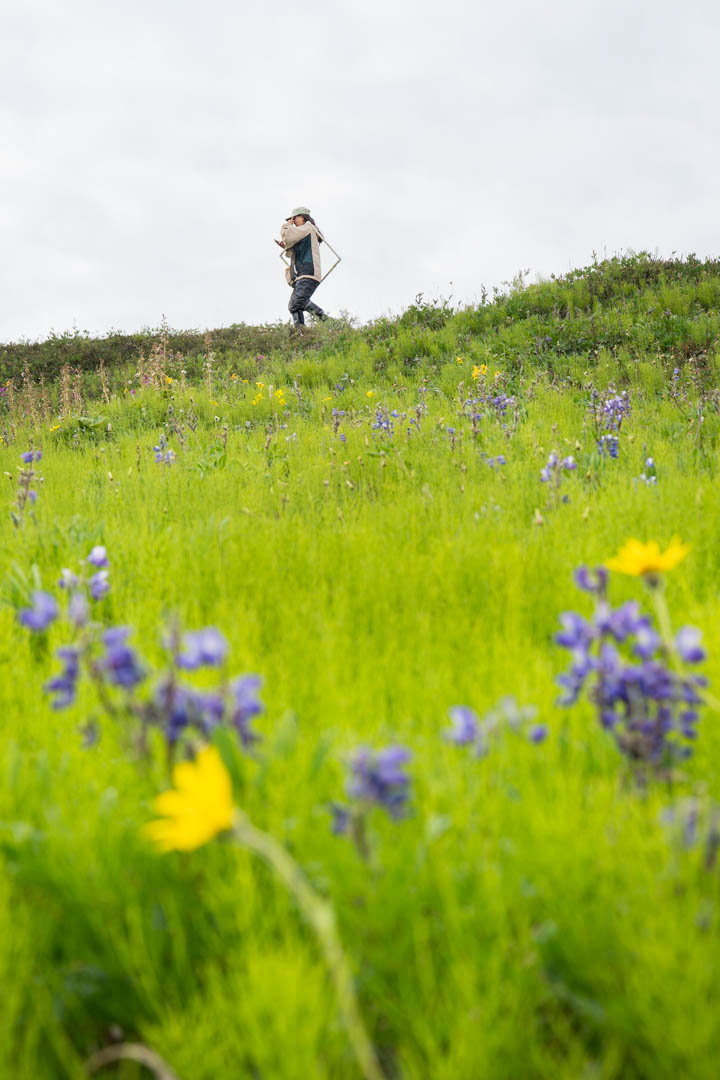
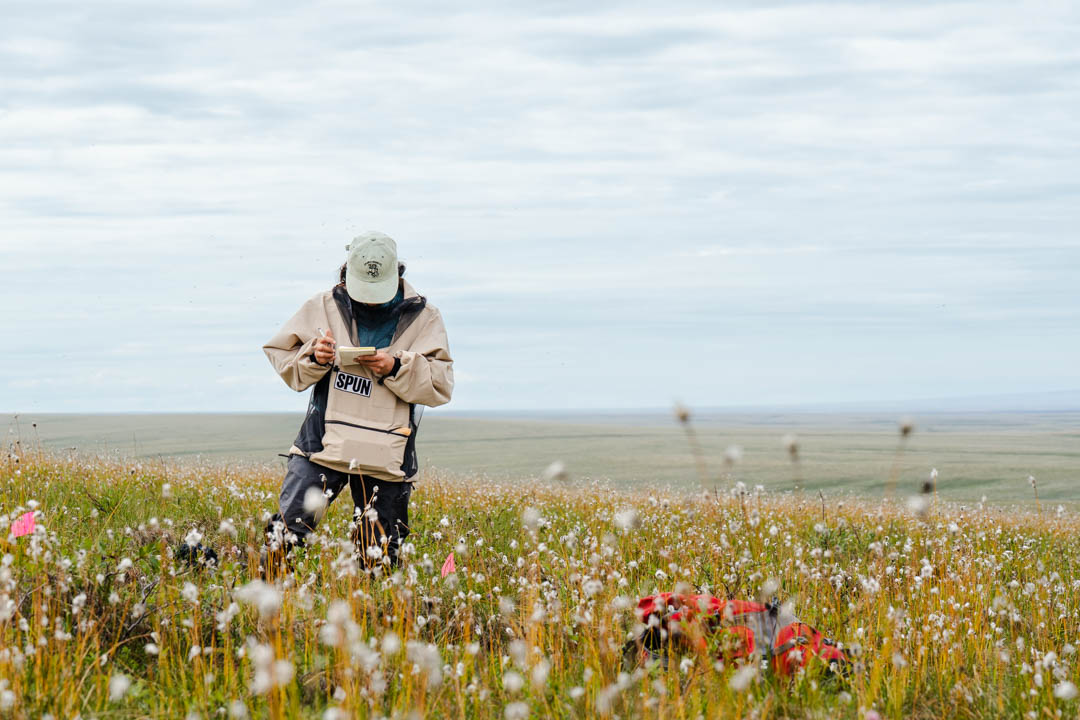
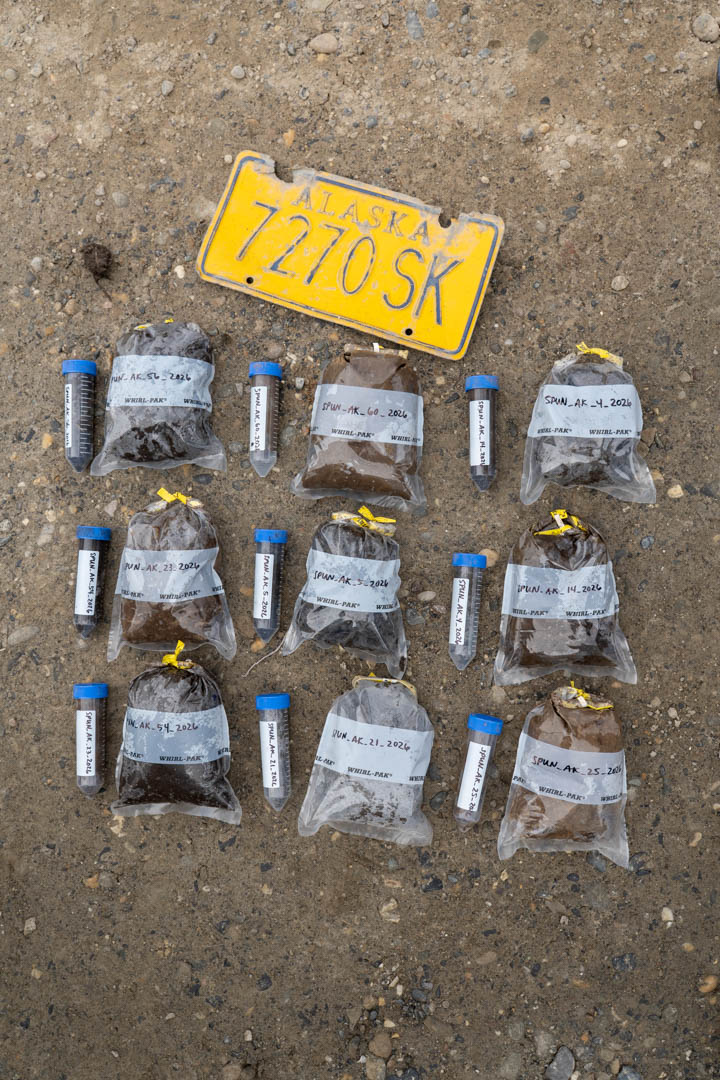
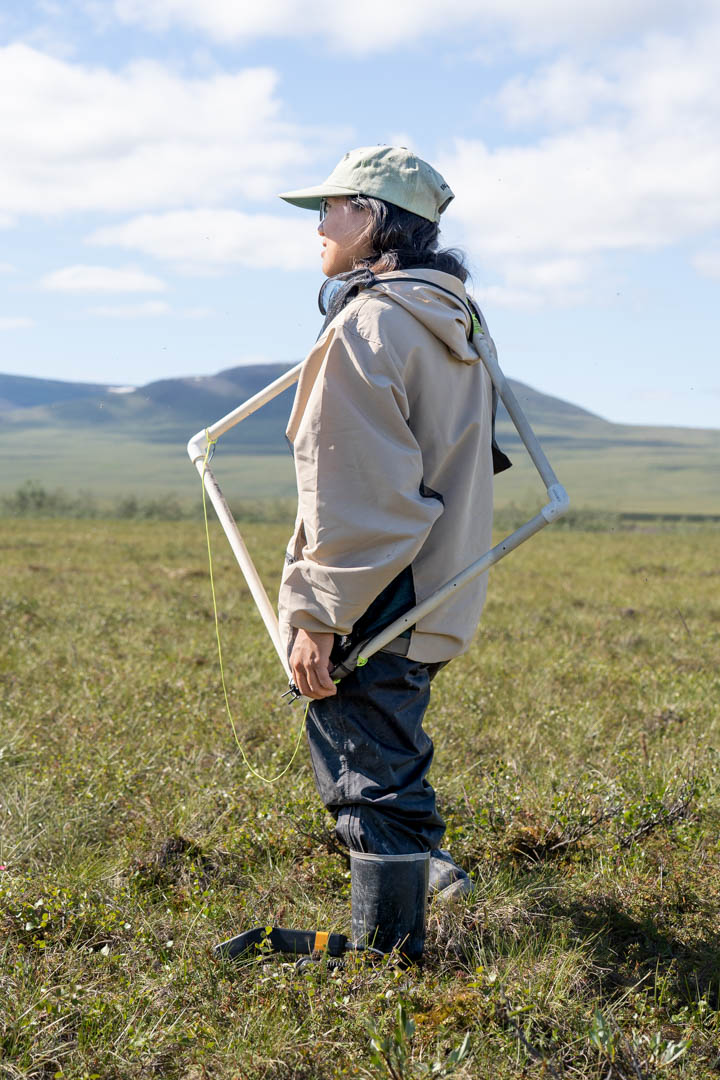
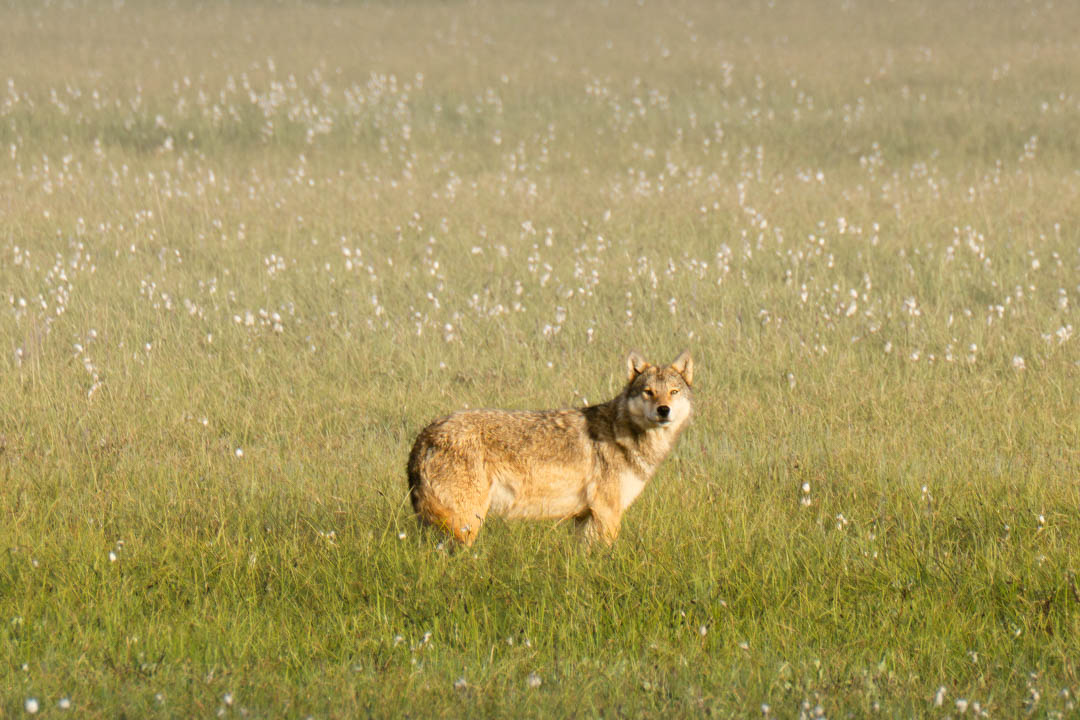
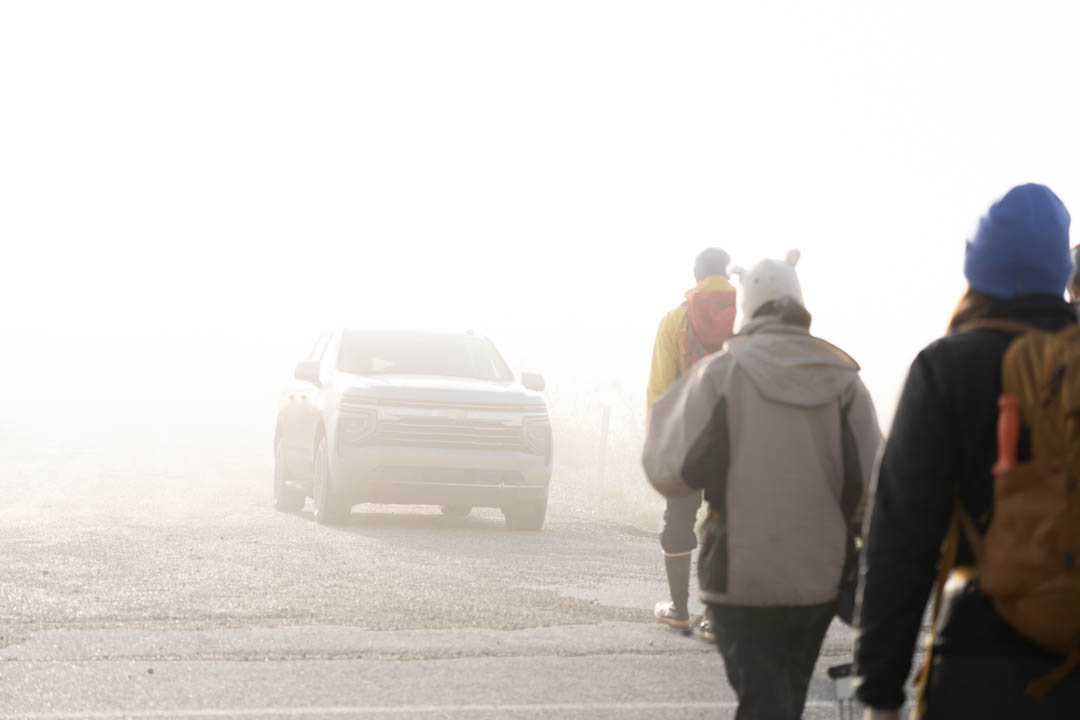
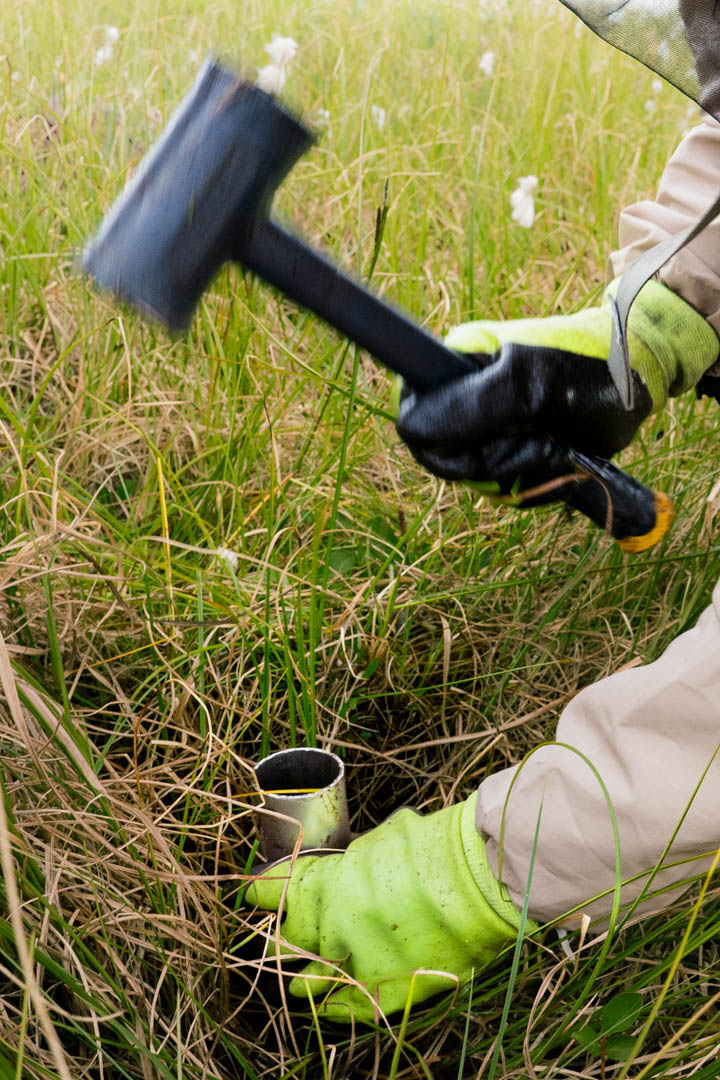
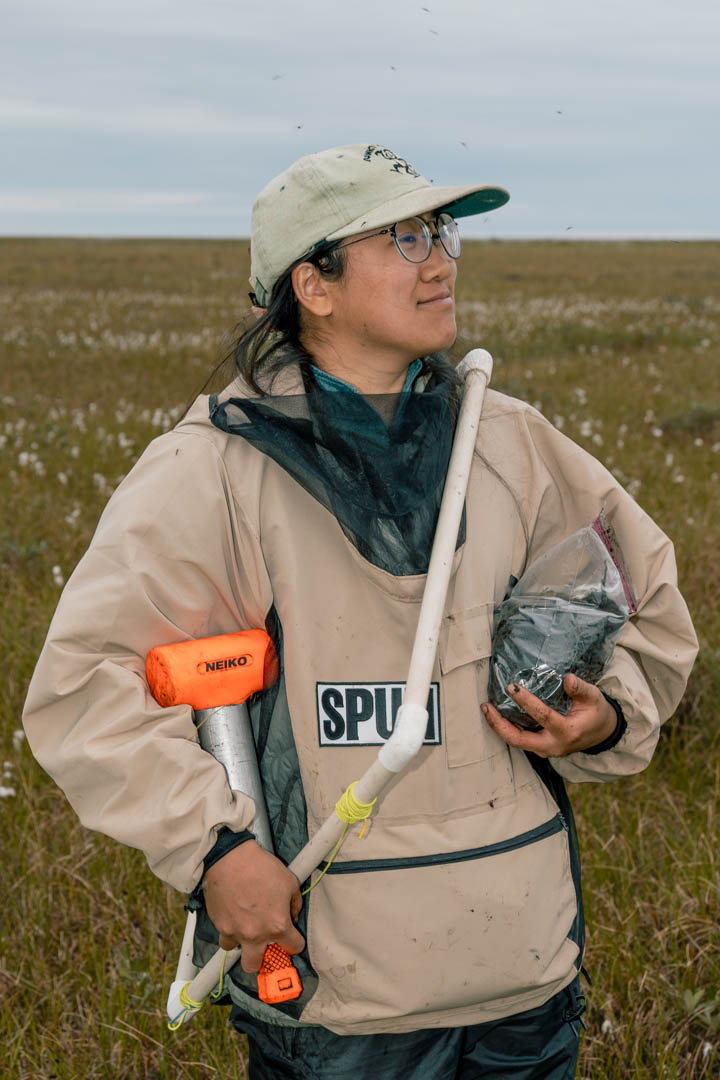
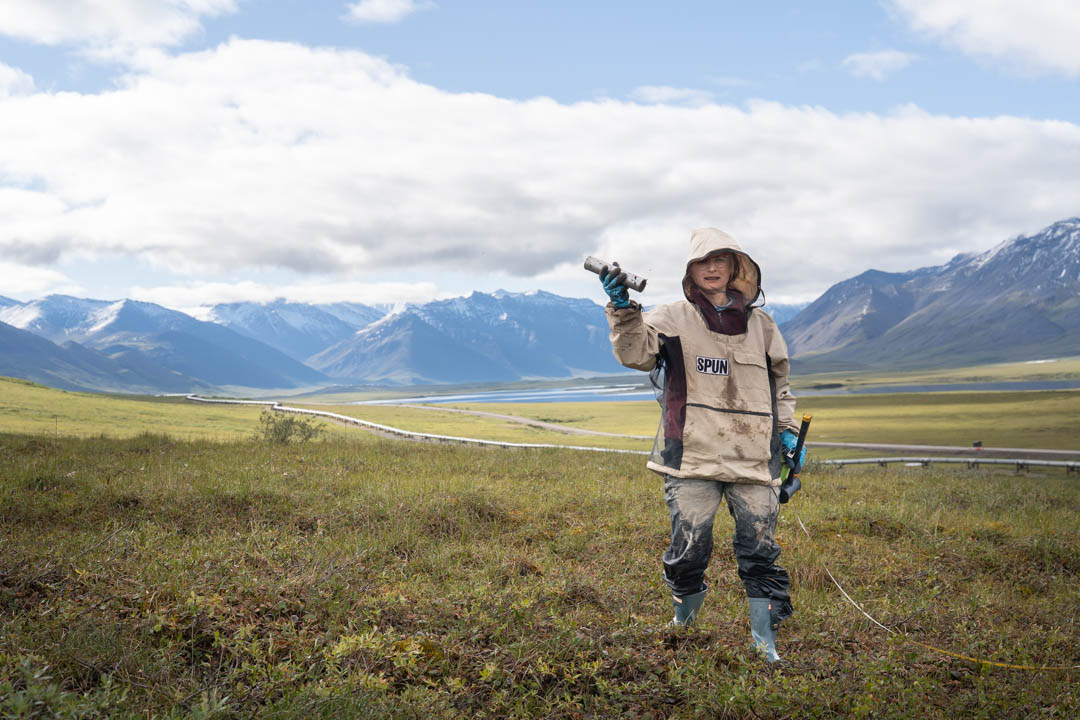
SPUN sampled sites in the far north for the second time, aiming to document how these communities are changing—and what effects those changes might have on how the ecosystem functions. They brought me along as photographer and documentarian. It was a fast paced trip—we sampled dozens of sites along a hundred mile stretch of the Dalton Highway. A wolf crossed our path one morning. Mosquitos threatened our sanity, emerging from the tundra in thick swarms.
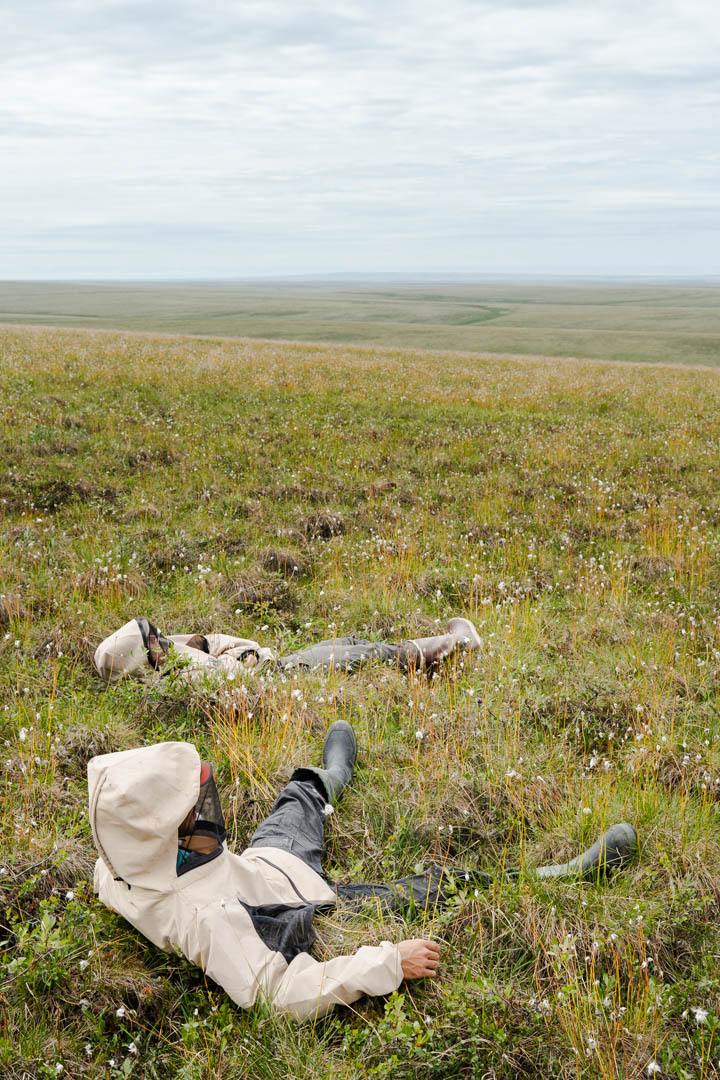
For work like this, my skills with a camera seem second to an innate comfort in the outdoors, in landscapes that are inherently hostile to people. I pride myself on moving quickly, getting the shot without breaking a research team's pace. I'm willing to get eaten alive by mosquitos or run stumbling across tundra for a single photograph. These are skills learned through a lifetime outdoors, and I love assignments like this, because they tap on my decades of experience both as a photographer and as an adventurer.
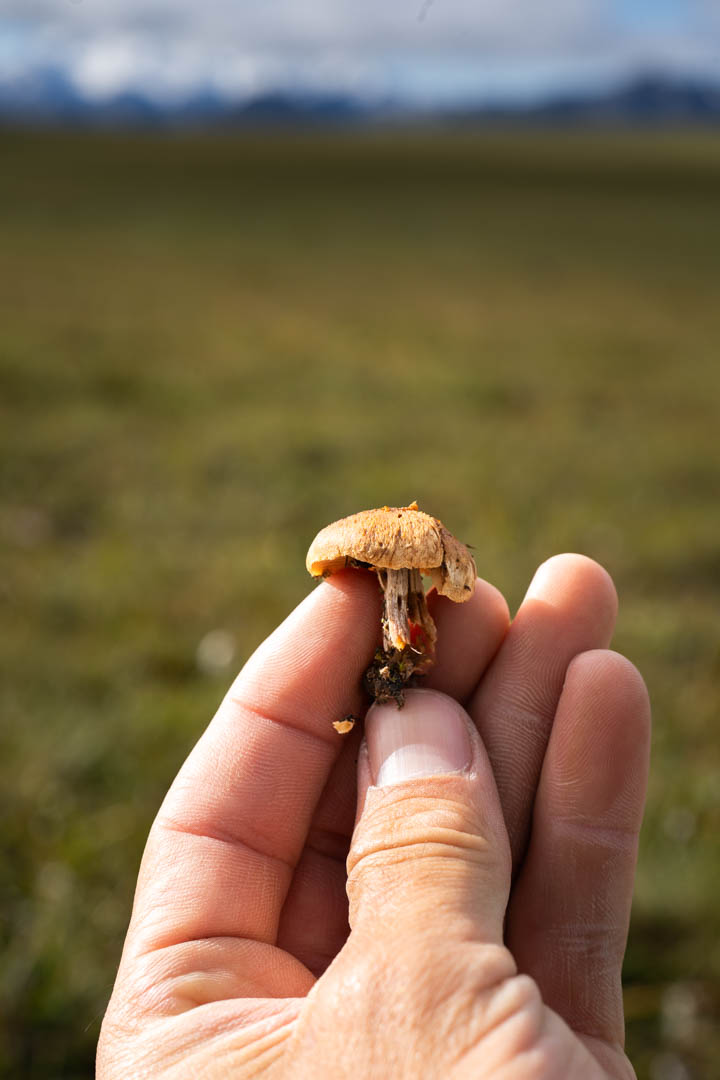
For being so essential, these soil fungi are wildly understudied. SPUN is trying to change that. This trip is part of their effort to document fungal diversity across the globe. Once mapped and monitored, researchers can advocate for protecting these fungal communities or better understand how to restore degraded ecosystems.