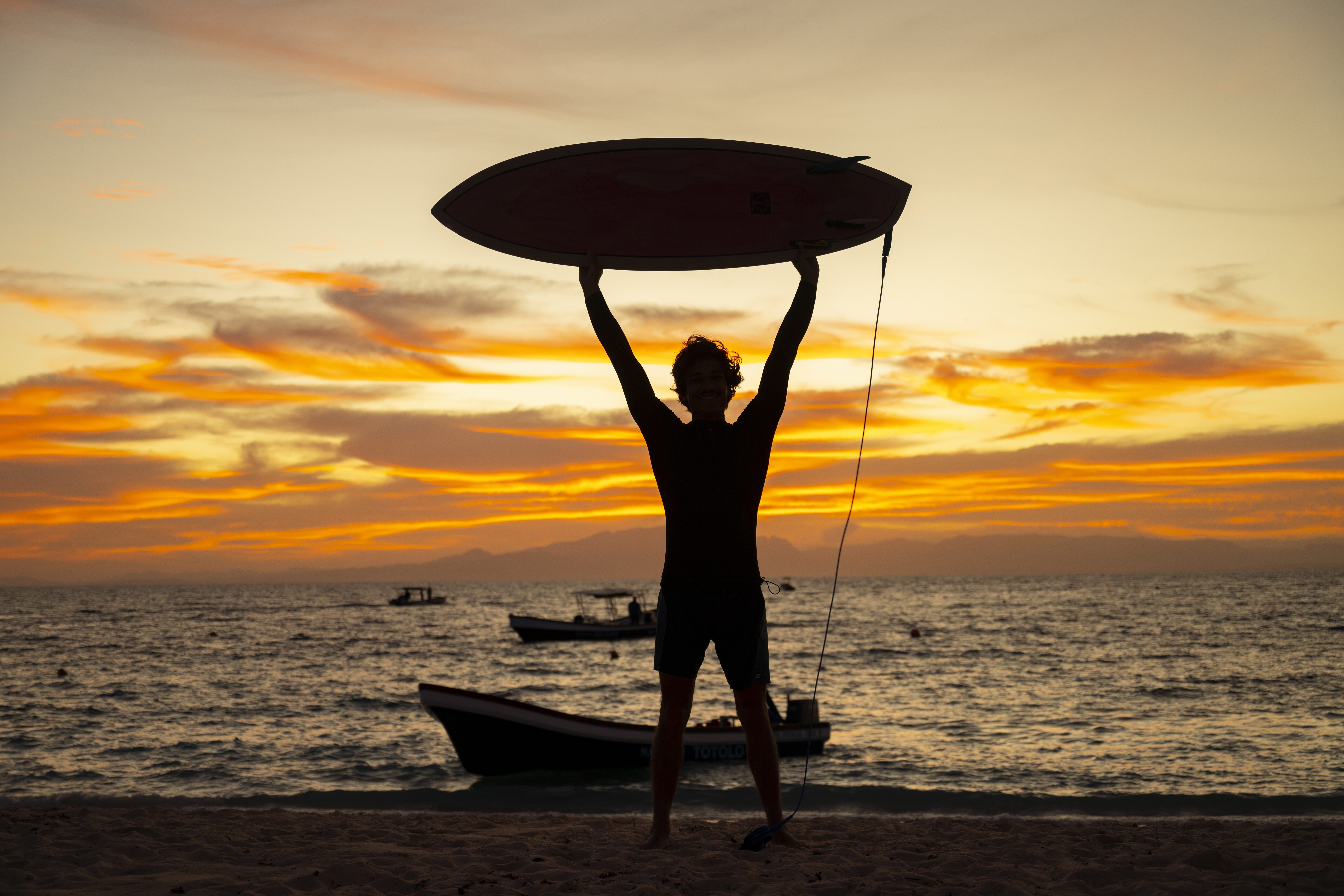
My first time on this board, I lucked into a head high, glassy day at Silver Strand, warbly peaks bouncing towards shore. I don't remember my first wave exactly, but I remember nursing a few turns and kicking out and just laughing like a giddy child—this board that I poured hours of labor into, this absurd experiment full of guesses and improvizations and mistakes that had to be fixed before it got in the water, it worked! Each wave I learned more about the shape, where to apply pressure, and I'd get a slightly better wave and sink a deeper turn than the last and kick out laughing even harder. I was in disbelief. It was one of the most rewarding surfing experiences of my life.
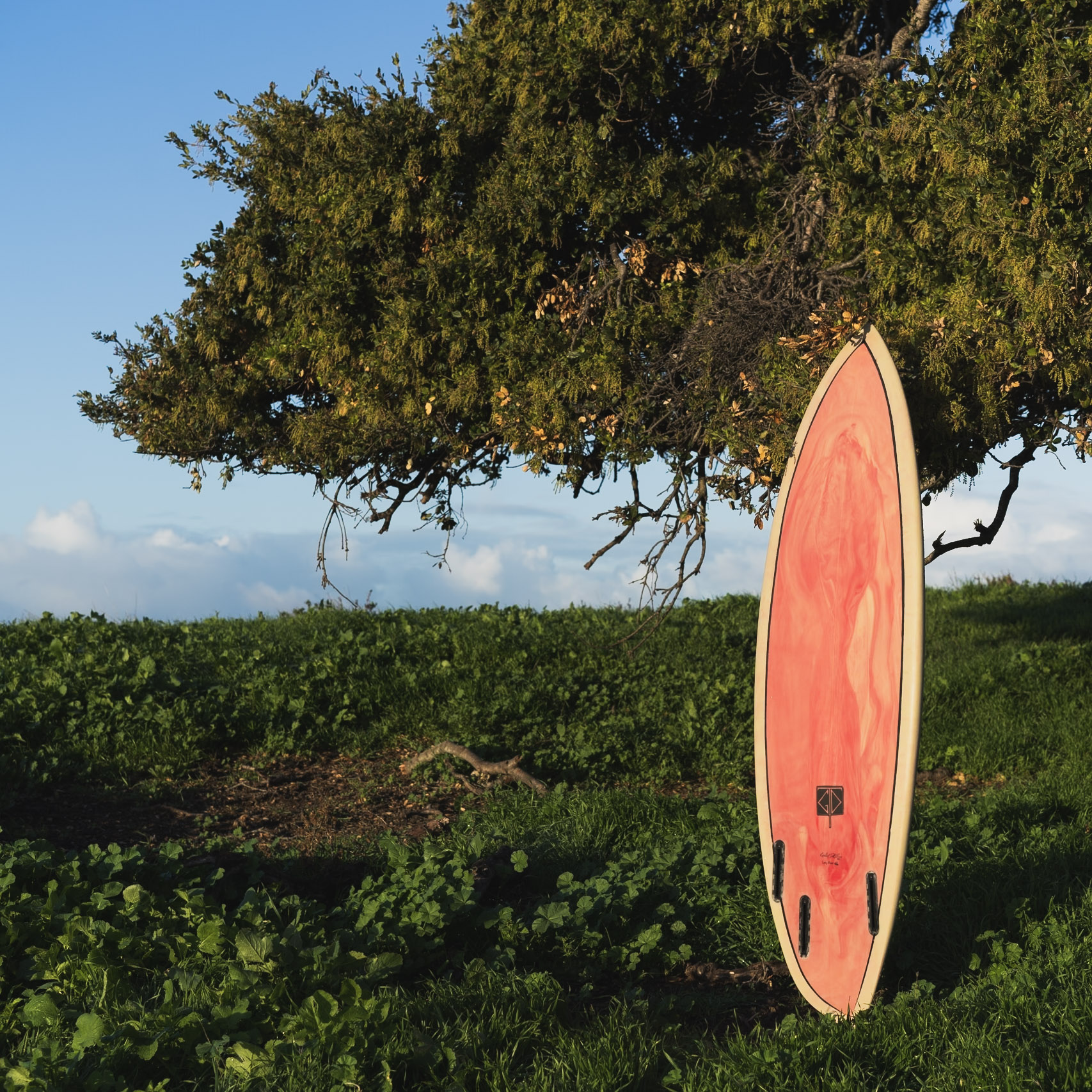
I had the idea to build a surfboard again floating around in my head for a few years, but was put off by the mess, by the labor, by the fact that all that time and effort might end up in a dog of a surfcraft destined to collect dust. My childhood bedroom has 3 or 4 boards I shaped as a teenager, and they all suck, straight up, but they're too precious to ever get rid of. So they sit in the corner and collect dust.
But when a cheap blank popped up on the local Craigslist, I knew I couldn't let this serpendipity go to waste.
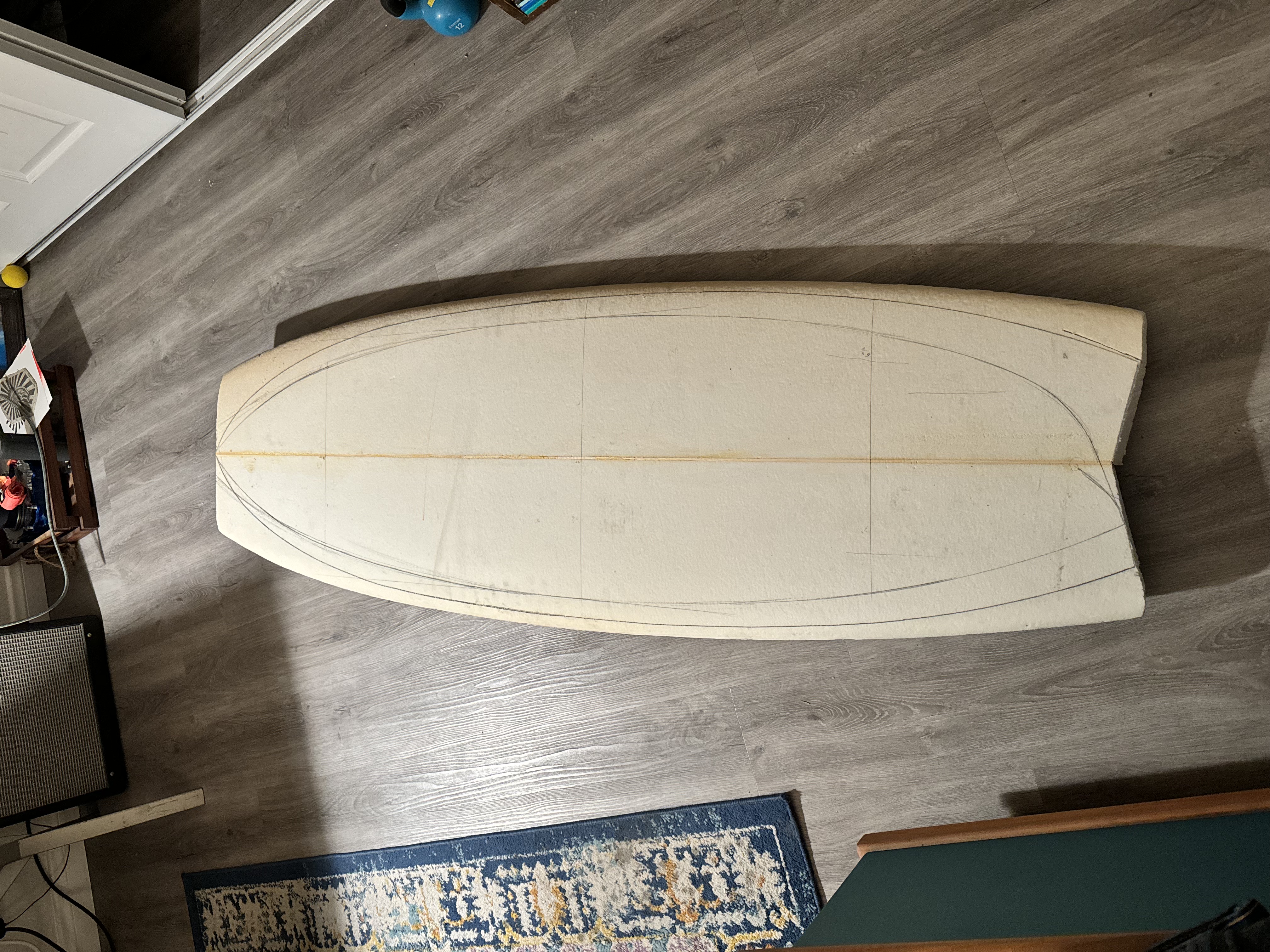
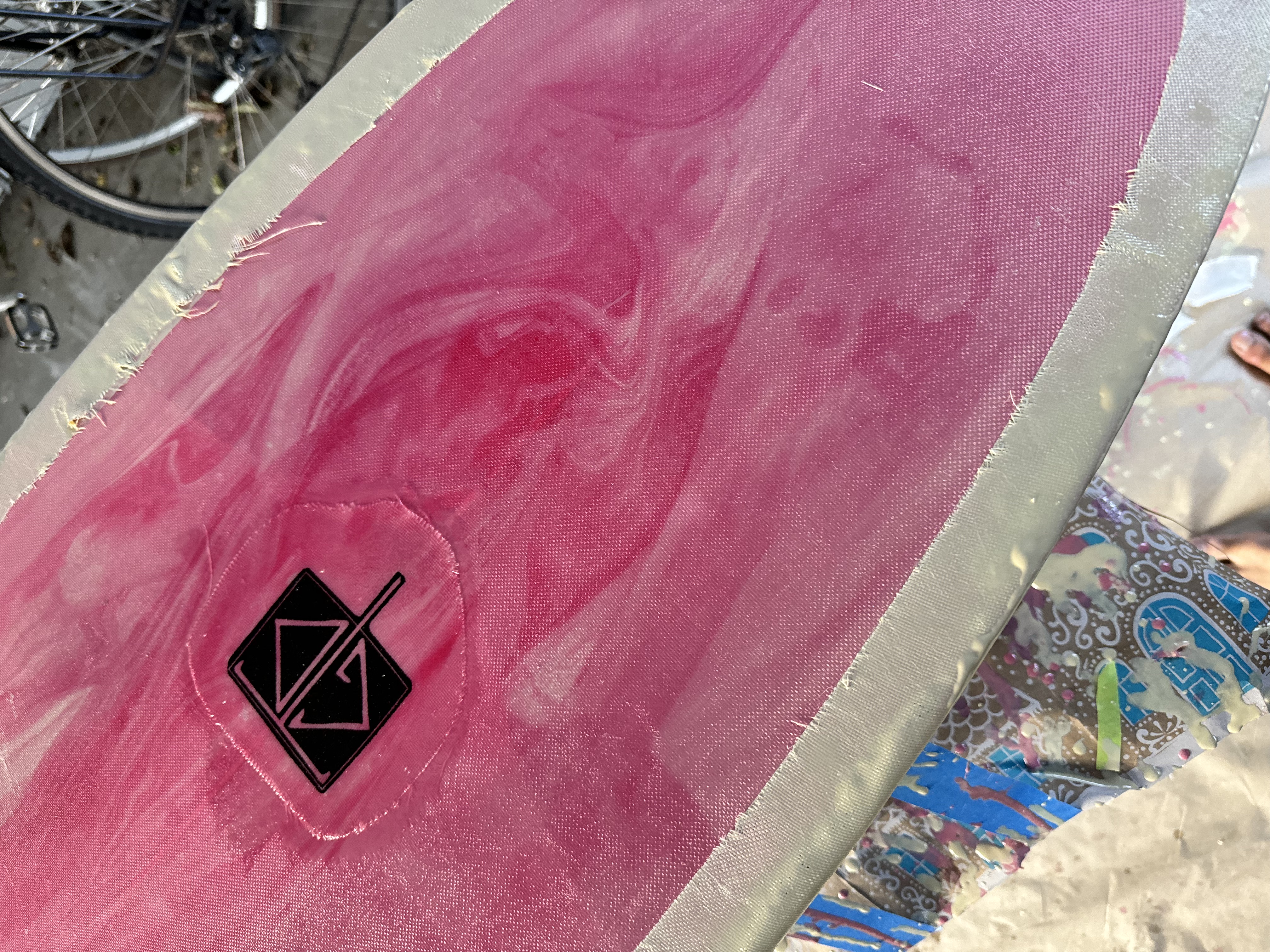
The blank was already cut down in length for a 5'5" or so fish. I decided to make it asymmetric on a whim. I often found that with wide swallow tail twins the heel side of the tail interferes with the body's natural pivot for a heelside turn; removing that long swallow could potentially mitigate that drawback while still letting the toe side plane like a fish. Plus, what was there to lose?
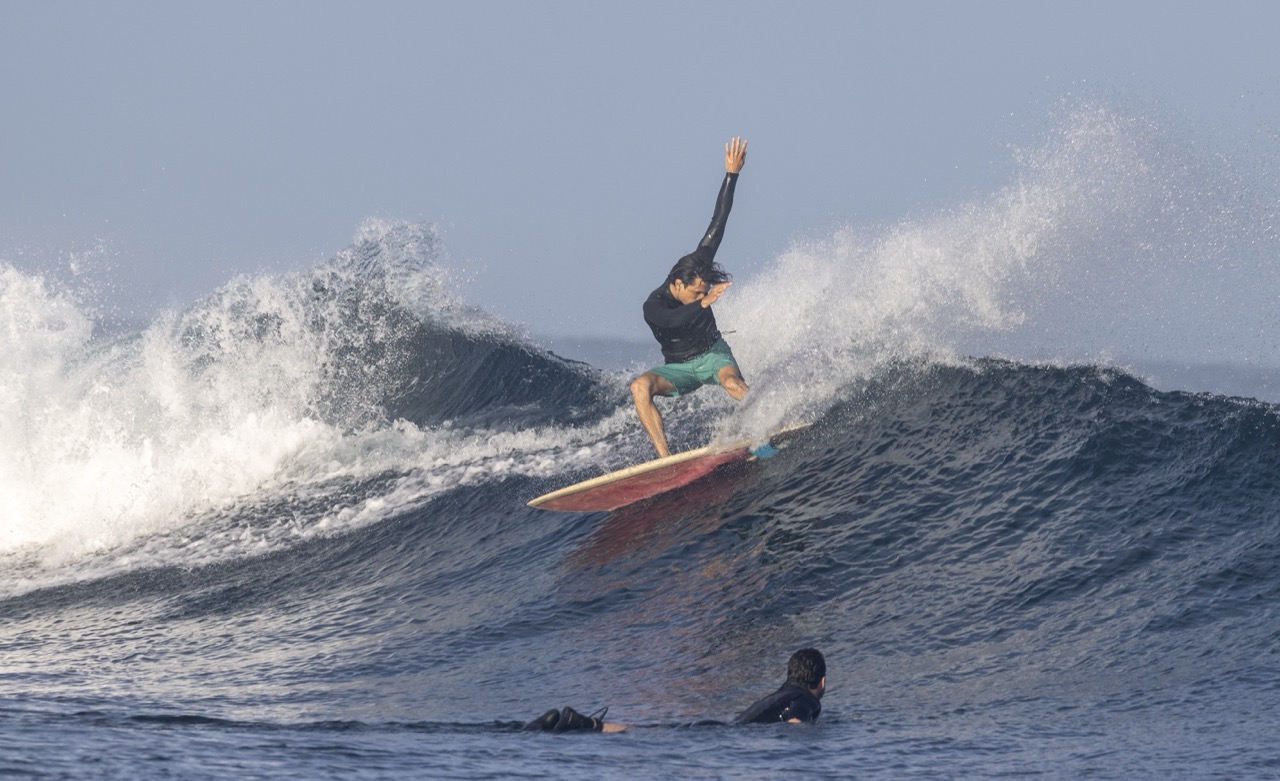
Late at night on the floor of my bedroom, I sketched an outline based on two boards I liked, an Album twin fin on the toe side and a Lost Pocket Rocket on the heels. In the backyard, I cut the foam down by hand, the board resting on a folding table with a towel underneath. It was a slow process; it took me nearly two full days to finish the shape. Then, I converted my parking spot to a glassing bay, made it through the stress of laminating a whole board at once, and had something rideable.
Somewhere between shaping and glassing, I was rock climbing when a friend pulled off a microwave size rock that narrowly missed me. It's the closest call I've had in any sport. I named the board Lucky Stone. There had to be some good juju in it.
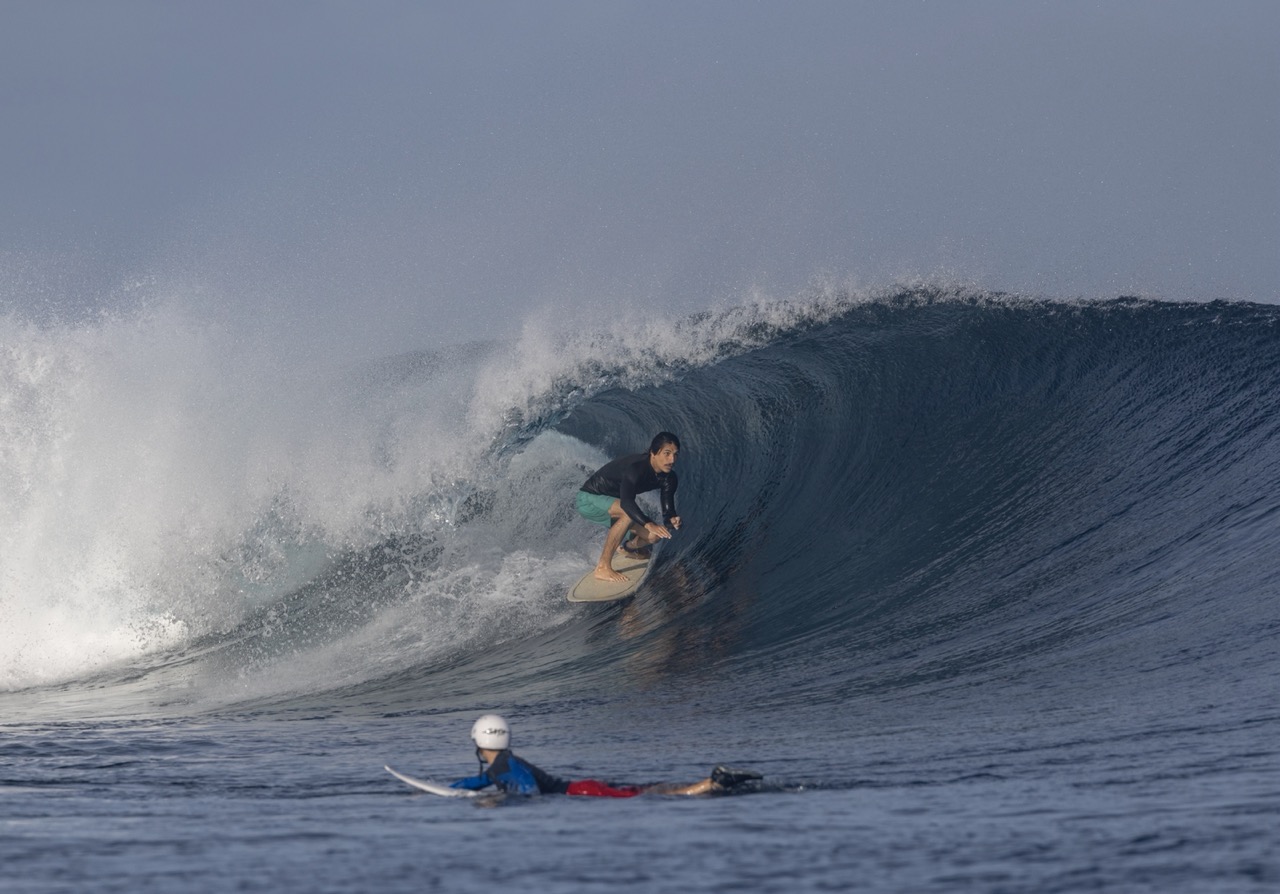
For a year, I rode nothing but that board. Head high Rincon; punchy beach breaks; flat, mushy reefs; it was loose, it flew down the line, and it felt like a piece of my body. I brought it to Fiji, it was overpowered most days but had a few moments at small Cloudbreak, and that was it—this one was a keeper. I had low expectations and they were blown away.
My expectations were much higher for the next few boards. They didn't quite live up to the mark. But this is the one that really started the journey, and knowing that I can make something that has a spark and a new feeling keeps me coming back.